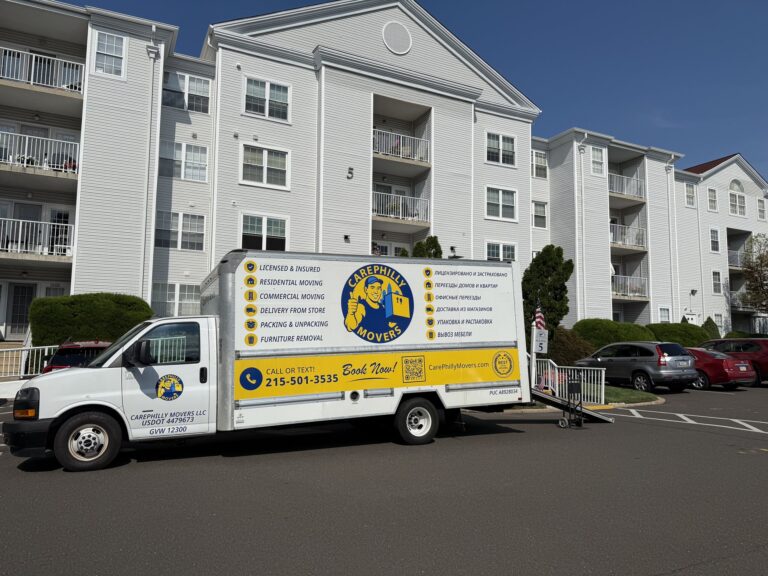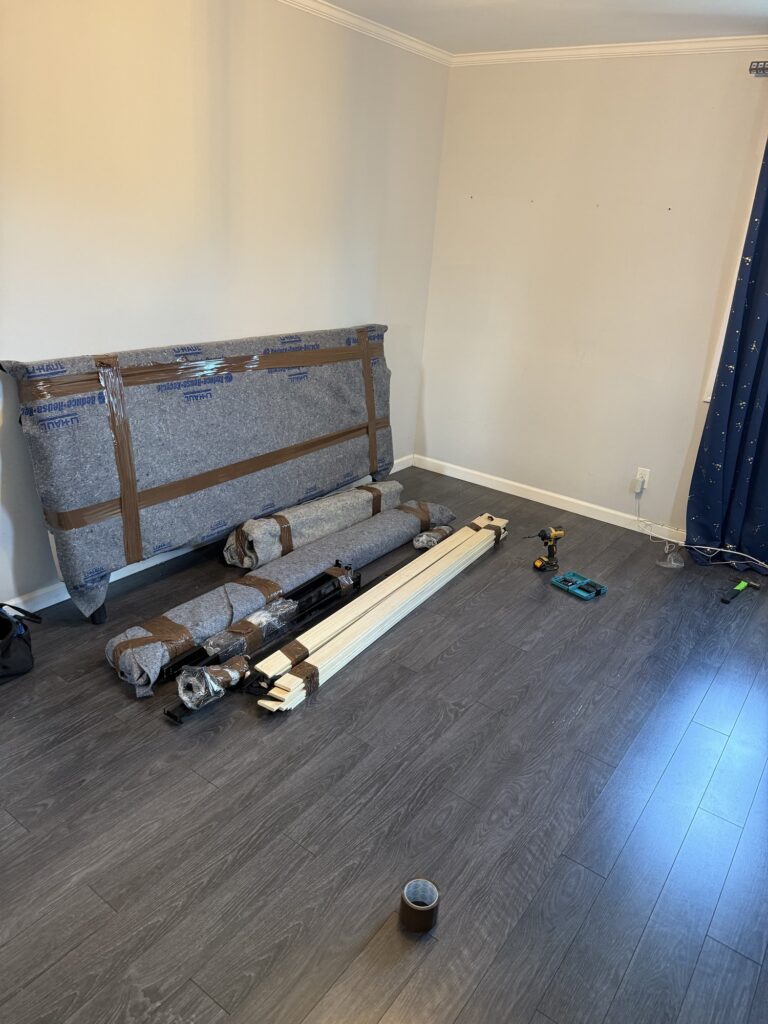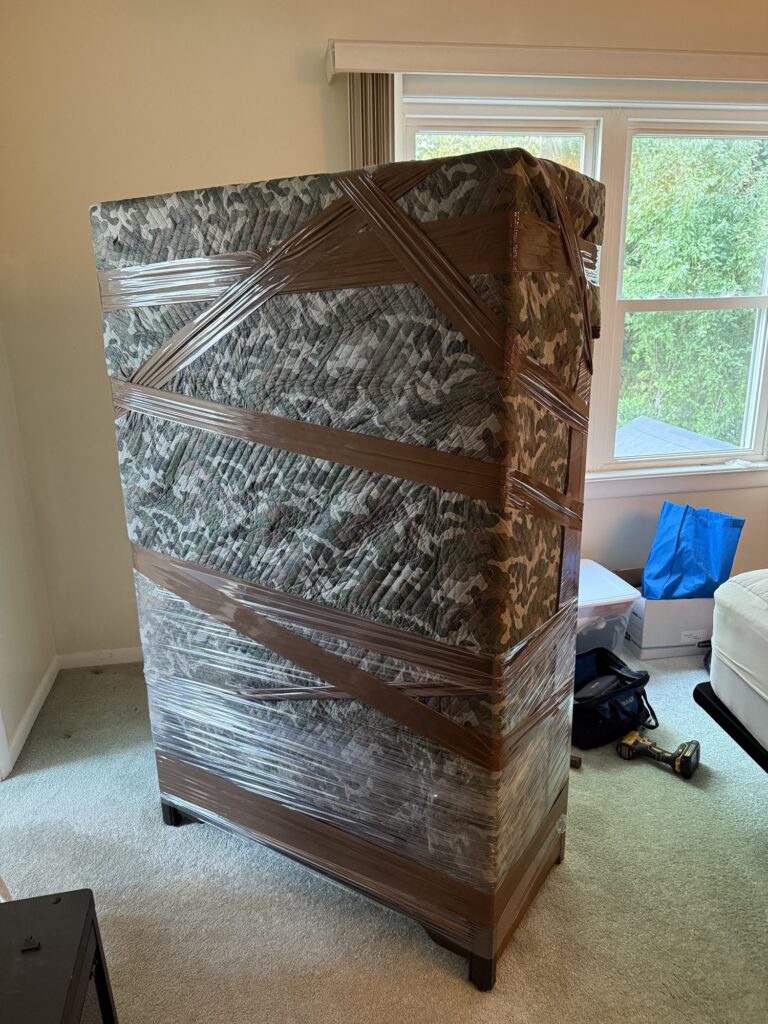
Our moving quotes in Philadelphia work one way: we look at your home through photos, a video or an in-person visit, then give a non-binding estimate. You pay the hourly rate for the time we actually work, and the clock runs from our truck leaving the terminal until unloading is done. Below we explain what a clear quote should state, how to film your home for a closer number, and how to compare quotes from different movers on the same terms.
Key takeaways: how our quote works
- Our moving estimate is non-binding. The bill is the hourly rate for the time actually worked, and there is no flat price for local moves.
- A clear quote states the crew size, the hourly rate with the truck, the minimum hours, when the clock starts and stops, and which driving is billed.
- We charge a 3-hour minimum. The clock starts when our truck leaves Northeast Philadelphia, and the return trip is on us.
- Photos or a video of every room, stairs, elevator, parking spot and large furniture bring the estimate closer to the final bill.
- To compare quotes, multiply the rate by realistic hours, not just the rate.
Moving quotes in Philadelphia: what ours is built on
Our moving quotes rest on one thing: seeing your home before we put a number on it. In this article, “quote” and “moving estimate” mean the same thing: our number for your move. The estimate is based on photos, a video or an in-person look. It is non-binding: the bill is the hourly rate for the time actually worked.
That applies to residential moving of every size, from a studio apartment to a full house. We work in Philadelphia and its suburbs in Pennsylvania, including Northeast Philadelphia, Montgomery County towns such as King of Prussia, Norristown and Willow Grove, and Upper Darby. Below: what the quote says, why the final number moves, and what to send us so the estimate lands close to the bill.
Binding vs non-binding moving estimate, in plain words
A binding estimate fixes a total price, while a non-binding moving estimate forecasts time and cost and lets the final bill follow what actually happens on moving day.
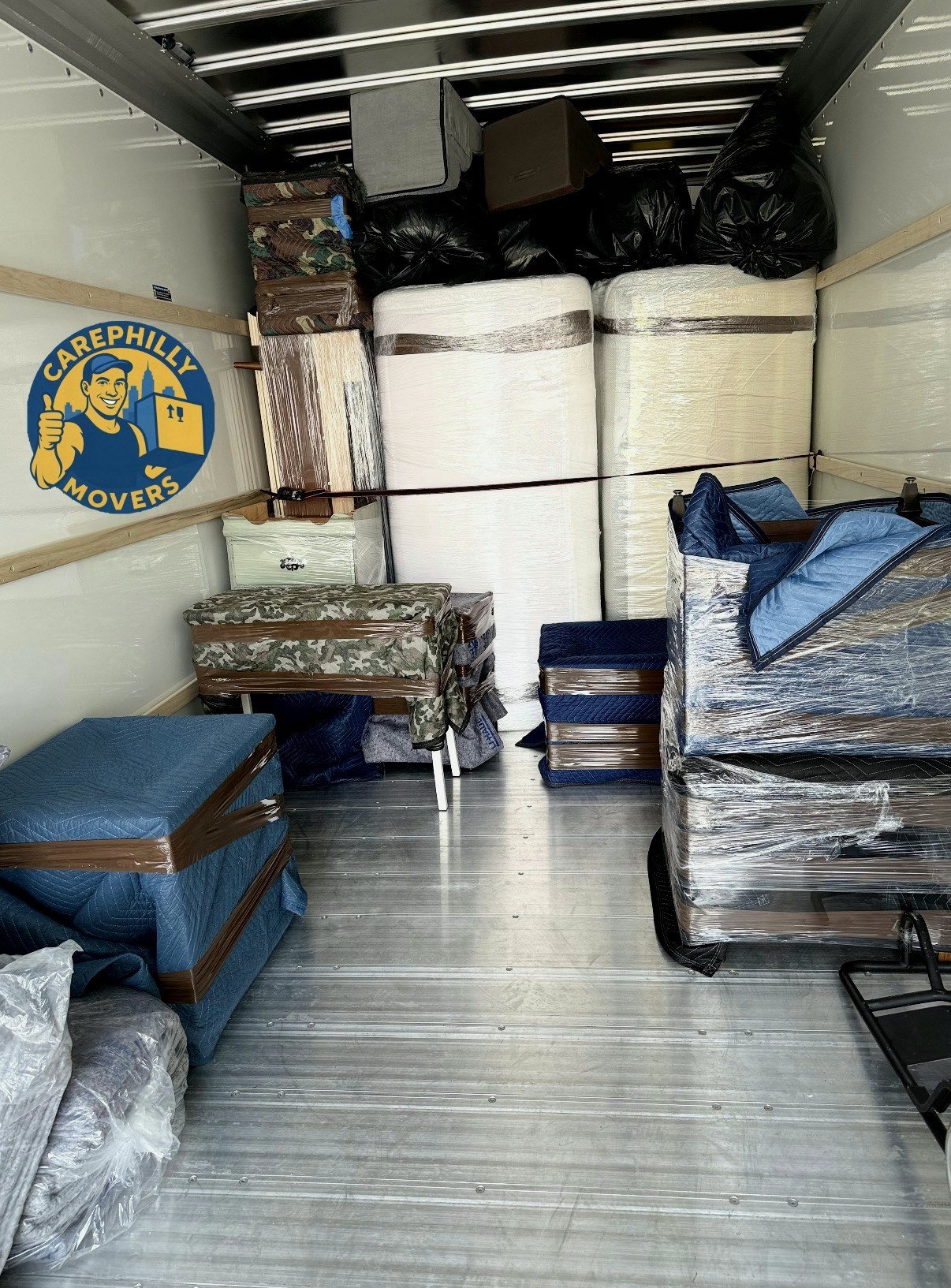
- Binding: the price is set for the inventory you describe. If the inventory changes, such as an extra room of boxes or a sofa you forgot, the quote is usually revised.
- Non-binding: the number is a forecast of hours. The bill is based on the real hours.
| Binding | Non-binding (how we quote) | |
|---|---|---|
| What is fixed | A total price for the described inventory | The hourly rate and the rules of the clock |
| What the bill is based on | The agreed total | The time actually worked |
| If the day goes differently | Changes to the inventory usually mean a revised quote | The bill follows the real hours, up or down |
Our estimate is non-binding, and we give no flat price for local moves. You pay for the time worked. That time depends on:
- how much stuff there is
- stairs, floors and the elevator
- how far the truck can park
- furniture that has to come apart
- the distance between the two addresses
The better we see these factors in advance, the closer the estimate lands to the bill.
What a moving quote should include
A readable moving quote states six things: crew size, the hourly rate and whether the truck is included, minimum hours, when the clock starts, when it stops, and which driving is billed. It also says whether there is a mileage charge. Here are our hourly rates:
| Crew | Hourly rate |
|---|---|
| 2 movers + truck | $150/hour (truck included) |
| 3 movers + truck | $200/hour (truck included) |
| 4 movers + truck | $250/hour (truck included) |
Every crew size has a 3-hour minimum, small moves included. Driving between addresses is billed, and there is no separate mileage charge. The clock starts when our truck leaves the terminal in Northeast Philadelphia and stops when unloading is done. The return trip to the terminal is on us.
Two more lines are worth asking about. The first is the moving insurance or protection level the quote assumes. With us: basic released-value protection is $0.60 per pound per article, and it is not full replacement value. The second is a moving permit for the truck. On a Philadelphia city street, a parked moving truck needs a Temporary No Parking permit, requested at least four business days before the move. If a quote leaves any of these blank, ask before you book.
Video, photo or in-home moving estimate: how to send us what we need
You can get your estimate three ways: send photos, send a video, or we come and look. Whether you call it a virtual, video or in-home moving estimate, what matters more than the label is what the estimate is built on.
A video moving estimate works when the footage shows everything that drives time. Use this checklist when you film or photograph:
- Every room, including closets, the basement, the attic and storage areas
- Stairs and floors at both addresses, filmed from the bottom up
- Whether there is an elevator, and whether it must be booked
- Where the truck can park and how far that spot is from the door
- Large furniture that needs furniture disassembly, such as bed frames, sectionals or desks
- Heavy items, such as safes or a piano. For pianos, see our piano moving page.
- Boxes: whether they are already packed, or whether you need packing services and packing supplies
Also mention any furniture assembly at the new place, or whether your building asks movers for a certificate of insurance (we offer COI assistance). Send everything through the quote form.
How to compare moving quotes on the same terms
To compare moving quotes, put each one on the same terms: crew size, hourly rate, minimum hours, when the clock starts and stops, and which driving is billed.
The lowest hourly number is not the bill. The bill is rate times hours, and the hours depend on the crew size and on the factors above: volume, stairs, elevator, parking distance, disassembly and distance. A smaller crew at a lower rate can need more hours to move the same heavy furniture. A clock that starts earlier also adds billed time. When looking for a moving quote in Philadelphia, run each one through these questions:
- How many movers, and is the truck included in the rate?
- What is the minimum?
- Where does the clock start, and where does it stop?
- Is the return trip billed? Is there a mileage charge?
Long distance moving within PA, such as Philadelphia to another Pennsylvania city, is quoted individually, so compare those quotes line by line as well.
“They worked with us with the dates. The price was better than all other estimates we received. The men arrived on time and worked non stop until the work was done”
— Denis Rumansev, Google
Get your moving quote from photos or a video
Send photos or a video through our quote form, or ask us to come and look. Your estimate is based on what we see, so the more the footage shows, the closer it lands to the bill. We pick up the phone daily, 9 a.m. to 9 p.m., and handle moves within Pennsylvania, in Philadelphia and its suburbs.
FAQ
-
Can I get a moving quote in Philadelphia for a small move?
Yes. Small moves are quoted on the same hourly basis as any other move, usually with 2 movers + truck at $150/hour and a 3-hour minimum. The clock runs from our Northeast Philadelphia terminal until unloading is done. Send photos or a video through the form, and we will give you an estimate for the job.
-
Is a video moving estimate as good as an in-home estimate?
Both work if the footage shows what drives time: every room, stairs and floors, the elevator, where the truck can park, and furniture that has to come apart. A clear video of an apartment or a house gives us what we need. If something is unclear from the video, we can come and look in person.
-
What happens if my move takes longer than the estimate?
Our estimate is non-binding, so the bill is the hourly rate for the time actually worked. Extra hours are billed at the same hourly rate. If the move goes faster, you pay for fewer hours, subject to the 3-hour minimum. The return trip to our terminal is not billed, and there is no separate mileage charge.
-
How do I save money on a move with an hourly rate?
Cut the hours. Have boxes packed and taped before the crew arrives, clear a path to the door, and plan a spot where the truck can park close. In your request, mention furniture that needs taking apart and any elevator booking. That way the crew does not lose time on surprises during the move.
-
Why might the cheapest moving quote not be the cheapest move?
The bill is rate times hours, so a lower rate with a smaller crew, or a clock that starts earlier, can cost more by the end of the day. Before choosing, compare the crew size, the minimum hours, when the clock starts and stops, and which driving is billed. Then estimate the total for each quote.